

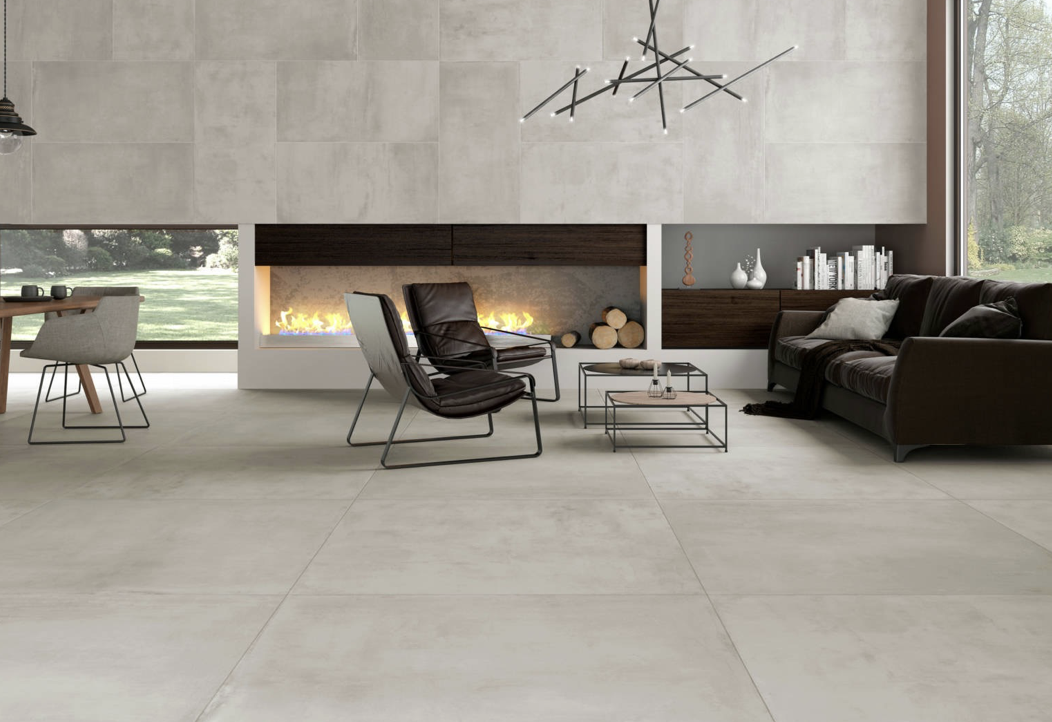
Living near the coast in places like Amelia Island and Fernandina Beach is a dream – you have beautiful ocean breezes and sandy beaches at your doorstep. But coastal living also means high humidity, salt air, and tracked-in sand, which can be tough on your home’s floors. If you’re in the market for new flooring and you reside in a coastal area around Amelia Island (or even slightly inland in Yulee or Jacksonville), you’ll want solutions that can withstand the moisture and climate. Let’s explore the best coastal flooring options for humid Florida homes, and how to keep your floors looking great despite the tropical conditions.
Porcelain and Ceramic Tile: The Coastal Champions
When it comes to humidity and water, porcelain and ceramic tile are at the top of the list. Tile flooring is essentially made from minerals and clay fired at high temperatures – meaning it won’t swell, warp, or mildew due to moisture. That makes it ideal for beach-adjacent homes and any room prone to humidity (bathrooms, kitchens, even living areas). Tile is extremely durable and can handle sand being tracked in; just sweep or vacuum up the grit and you’re good to go. It’s also fantastic for cooling down a home. On hot Amelia Island afternoons, tile floors feel refreshingly cool underfoot.
From a style perspective, you have endless choices with tile. Many coastal homeowners love light-colored tiles or wood-look porcelain planks that give a driftwood beach vibe. The good news is you don’t have to trade beauty for practicality – with tile, you get both. Just be sure to have tile professionally installed with the right grout and sealant for our climate (our installation team is well-versed in laying tile that lasts). Proper installation will ensure your tile floors are virtually waterproof and stay stable even as humidity rises and falls.
Luxury Vinyl Plank: Waterproof Wood-Look Flooring
Luxury vinyl plank (LVP) has surged in popularity for coastal homes, and it’s easy to see why. LVP floors are made of waterproof layers that laugh in the face of humidity. Quality vinyl planks won’t expand or contract with moisture, making them a safe bet for Amelia Island’s muggy summers. They also offer a softer, warmer feel underfoot compared to tile, which some homeowners prefer for living rooms or bedrooms. Perhaps the biggest draw is that vinyl plank can realistically mimic hardwood or even stone, so you can achieve a high-end coastal look (like weathered driftwood or white-washed oak) with a floor that’s built to handle the climate.
Vinyl is also gentler on dropped objects (and on toddling kids’ knees) than ceramic tile. Maintenance is a breeze – it’s fully waterproof, so wet footprints from the pool or a spilled drink are no problem. Just wipe them up! And vinyl’s tough wear layer helps resist scratches from sandy shoes or pet claws. In short, LVP combines style and substance: you get the breezy, natural look that suits a coastal cottage and the resilience that gives you peace of mind. We often recommend LVP to homeowners in coastal Nassau County and Jacksonville Beach who want the wood look without the worry. You can explore a variety of waterproof vinyl options in our product catalog to see the designs available and find one that fits your vision.
Engineered Hardwood: Real Wood Beauty with Added Stability
Many people love the authentic look of real hardwood floors – it’s classic and adds warmth to any home. The challenge in a humid climate is that solid hardwood can absorb moisture from the air and potentially warp or buckle over time. That’s where engineered hardwood comes in as a smart coastal solution. Engineered wood planks are made with a real wood veneer on top, but underneath they have a layered plywood or composite core. This multi-layer construction gives them dimensional stability, meaning they handle humidity fluctuations much better than traditional solid wood. You can enjoy genuine oak, hickory, or maple floors in your home near Amelia Island without as much fear of the coastal climate wreaking havoc.
Of course, even engineered wood isn’t waterproof, so it’s best used in areas that won’t see standing water (living rooms, bedrooms) and it should be installed by professionals who will ensure proper acclimation and moisture barriers on concrete subfloors. American Flooring’s coastal climate expertise really comes into play with wood flooring – we help homeowners pick the right species and finishes (for example, lighter woods or distressed finishes that won’t show minor expansion as much). We also make sure to use moisture-resistant underlayments and leave appropriate expansion gaps during installation. The result is a stunning hardwood floor that can be enjoyed even in our humid environment. If you’ve got your heart set on real wood, don’t worry – we’ll guide you to an option that works for our area so you can have that seaside charm in your floors without the risks.
Other Coastal Flooring Considerations
In addition to choosing the right flooring material, there are a few extra tips for coastal, humid homes:
Light Colors and Matte Finishes: Coastal style often favors light, airy colors not just for looks, but also for function. Light floors (think sandy beige tiles or whitewashed oak vinyl) are less likely to show salt residue or dust, and they reflect sunlight to keep your home bright. Plus, lighter shades won’t fade as noticeably under the strong sun near the coast.
Area Rugs for Comfort: Hard surfaces like tile or vinyl are ideal for humidity, but you can always soften them up with area rugs. A plush area rug in the living room or a durable jute rug in the entryway can add comfort and style without trapping moisture. The bonus in a beachy area is that you can take rugs outside to shake out sand or have them cleaned, while your primary floor stays protected. Rugs also dry quickly if they do get a bit damp, unlike wall-to-wall carpet which might hold moisture.
Proper Maintenance: Coastal homes do require a bit of extra TLC for floors. Regularly sweep or vacuum to remove sand (grit can act like sandpaper on floors if not cleared). Use damp mops rather than soaking wet mops on wood floors to avoid excess moisture. And keep an eye on indoor humidity levels – running your air conditioning or a dehumidifier during the steamiest months will help all your flooring last longer and prevent any musty odors or mold.
Expert Installation: As mentioned, getting your flooring installed by professionals who understand local conditions is crucial. Our team often installs floors in seaside properties and knows to take steps like moisture-testing the slab, using the right adhesives or sealers for high humidity, and properly sealing grout lines on tiles. These details ensure your new floors remain securely in place and beautiful despite the seaside climate.
Transform Your Coastal Home’s Floors: You don’t have to worry about humidity ruining your flooring when you choose the right materials and have the right team on your side.
At American Flooring, we’ve helped homeowners from Amelia Island to Callahan find the perfect coastal flooring solutions. Whether you’re drawn to breezy ceramic tiles, modern waterproof vinyl, or engineered hardwood with a beachy look, our Yulee showroom has plenty of options to explore. Our experienced staff will share their coastal flooring knowledge with you, so you can make an informed choice that suits your style and the local climate. Ready to upgrade your floors for the ultimate coastal living experience?
Reach out to us today – you can contact us for a friendly consultation or request a free estimate to get started. We’re here to ensure that your new floors will weather the Florida humidity for years to come, all while making your home even more stunning.


