

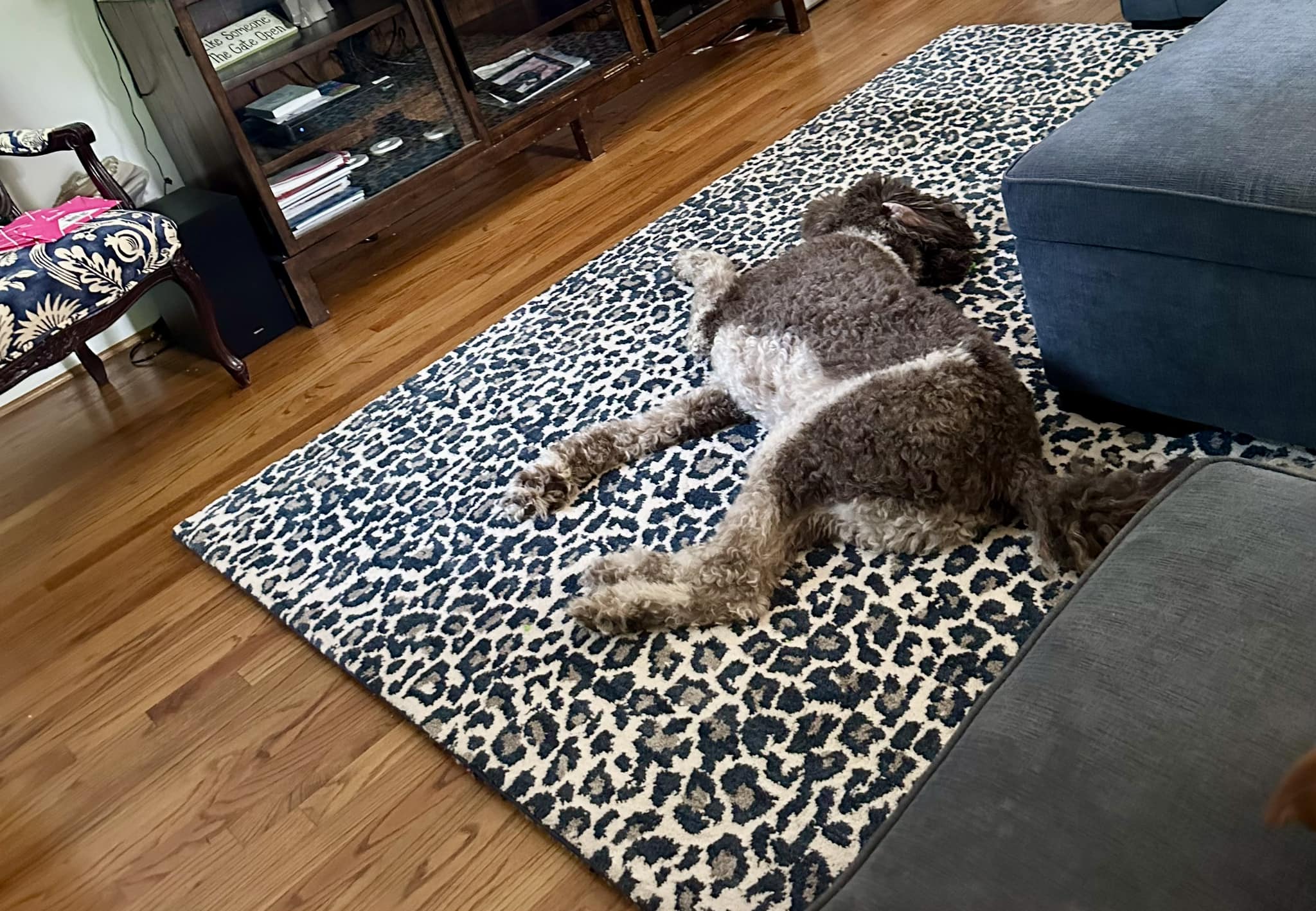
Open concept living rooms are gorgeous—until all that open space starts to feel a little…floaty. The right area rug pulls everything together, softens hard flooring underfoot, and cuts down on the echo that can happen in busy coastal homes with tile, LVP, or hardwood.
At American Flooring in Yulee, we see this every day: one well‑chosen rug can make a big, open room feel cozy, intentional, and “finished”—without adding a single wall.
Below is a practical guide to choosing the perfect size area rug for your open concept living room, with real‑world tips for families, pets, and coastal Florida living.
Why rug size matters in an open concept space
The size of your area rug can actually make your room feel bigger—or smaller—than it is.
A rug that’s too small chops the room into awkward pieces. A rug that’s too large can swallow your furniture and hide those beautiful hard‑surface floors you just invested in. The sweet spot does three big jobs at once:
Defines your zones
In open concept layouts, a rug is basically a “soft wall.” It visually separates your living area from the dining space or kitchen without closing anything off. One rug can anchor the sofa and chairs, while another defines the dining area or a kids’ play corner.Adds comfort & style
Over luxury vinyl, hardwood, tile, or laminate, an area rug adds instant softness and warmth. It’s also an easy place to bring in color, pattern, and texture—especially handy if the rest of your finishes are neutral.Helps with acoustics (hello, quieter home!)
In open plans, sound bounces around quickly, especially with pets, kids, and big‑screen TV nights. A good rug absorbs a surprising amount of noise, making conversation and movie nights more pleasant.
Step 1: Map out your space and measure
Before you fall in love with a rug pattern, grab a tape measure (and some painter’s tape if you’re feeling ambitious).
Measure the zone, not just the whole room
Measure the length and width of the seating area you want the rug to define, not the whole open space.
Note where walkways naturally run—toward the kitchen, sliders to the lanai, hallway, etc. You don’t want the rug eating up these paths.
Tape the footprint
Use painter’s tape to outline where you think the rug should go. Then:Check that you have at least 18–24 inches of visible hard flooring around the rug edges so the room still feels airy.
Walk around your taped rug as if you’re carrying a laundry basket or tray of snacks—if you’re tripping over “edges,” size or placement needs a tweak.
Factor in doors & sliders
In coastal homes, we see plenty of traffic in and out to pools, patios, and porches. Make sure the rug isn’t crowding sliding glass doors or front entries, and consider easy‑clean, low‑pile styles if the path from pool to sofa runs right across it.
Step 2: Decide how your furniture will sit on the rug
Your furniture layout drives rug size. In open concept rooms, three layouts work best:
1. All furniture on the rug

Alt text: Large plaid area rug on light hardwood floors in bright open living room with white sofas and blue accents.
Best for: Large, open rooms with plenty of square footage.
Look & feel: Polished and unified—great when you want the whole seating area to read as one big “conversation island.”
Sizing tip: This usually means a 9' x 12' or 10' x 14' rug so sofas, sectionals, and accent chairs are fully on the rug with a few inches to spare behind the back legs.
2. Front legs on, back legs off

Alt text: Beige patterned area rug over dark hardwood flooring in a traditional living room with armchairs and glass-top coffee table
Best for: Most medium‑to‑large living rooms.
Look & feel: Comfortable and grounded without needing a massive rug. The front legs of the sofa and chairs sit on the rug; back legs sit on the flooring.
Sizing tip: An 8' x 10' rug is the workhorse size here for many North Florida homes.
3. Coffee table only (or mostly)

Alt text: Round blue bordered area rug under dining table in yellow dining room with wood chairs and sunflower centerpiece
Best for: Smaller sitting areas off an open kitchen, or when you’re layering rugs.
Look & feel: Light and airy. The coffee table sits fully on the rug; seating is just off the edges.
Sizing tip: A 5' x 7' or 6' x 9' rug usually does the trick.
Whichever layout you choose, the rug should feel intentional—like it’s holding the furniture together, not floating in the middle of the room.
Step 3: Use these rug size guidelines for open concept living rooms
Once you know your layout, match it to your room size:
Large open concept living rooms
Rug sizes to start with: 9' x 12' or 10' x 14'
Ideal for:
Big sectional + multiple chairs
“All furniture on” layouts
Rooms where the living area and TV wall need a strong anchor
Styling tip: In a large space, a bolder pattern or richer color can make the seating zone feel cozy instead of cavernous.
Medium open concept living rooms
Rug size to start with: 8' x 10'
Ideal for:
Sofa + loveseat or two chairs
“Front legs on” layout
Styling tip: Use the rug to bridge finishes—think warm neutrals to blend wood‑look luxury vinyl in the living area with tile in the kitchen.
Smaller seating zones inside an open layout
Rug sizes to start with: 5' x 7' or 6' x 9'
Ideal for:
Small sitting area off the kitchen
Reading nook or kids’ TV area in a larger room
Styling tip: Smaller rugs are great for playful textures and patterns. Just make sure the rug is big enough that the coffee table and at least part of the seating relate to it.
Rug size rules for an open concept dining area
If your dining space shares the same big room as your living area, a second rug can create a graceful “zone” for the table.
Keep all chairs on the rug—even when pulled out.
Add 24 inches on each side of your table’s length and width to find the minimum rug size. That way chairs won’t catch on the rug edge when people sit down or stand up.Choose low‑pile or flat‑weave for easy movement.
These styles make it easier to slide chairs in and out and are easier to clean after spaghetti‑night disasters.Pick durable, easy‑clean materials.
Stain‑resistant synthetics and indoor‑outdoor rugs are your best friends for dining zones, rentals, or homes with kids and pets.
Don’t forget rug pads, alignment & layering
A few finishing details make a big difference:
Use a rug pad.
It keeps the rug from sliding, adds cushioning, protects your hard surface floors, and helps with sound control.Align with the walls.
In open rooms, keeping the rug edges parallel to the main walls instantly makes the space feel more structured and calm.Try layering.
In very large rooms, a big neutral rug under a smaller patterned rug can add depth and interest without overpowering the room.
Style & material tips for coastal, kid‑and‑pet‑friendly homes
Once the size is set, choose a style that fits your lifestyle:
Contemporary & coastal casual
Think soft neutrals, stripes, or organic patterns that play nicely with white cabinets, shiplap, or beach‑inspired décor.
Great over luxury vinyl plank, laminate, or tile flooring in sandy shades.
Classic & traditional
Intricate patterns in blues, grays, or jewel tones bring a touch of formality to open concept spaces—especially if you have hardwood flooring and more traditional furnishings.
Minimal & modern
Solid or subtle‑pattern rugs in cream, greige, or charcoal work beautifully with sleek furniture and uncluttered layouts.
Material tips:
Wool: Soft, durable, naturally stain‑resistant—works well in high‑traffic living rooms.
Cotton: Casual, budget‑friendly, easy to wash; best in low‑traffic or playful spaces.
Synthetics (like polypropylene or nylon): Stain‑resistant and kid‑/pet‑friendly—perfect for busy households and rentals.
Indoor‑outdoor blends: Great near sliders, pool entries, and sandy back‑and‑forth traffic.
When an area rug isn’t quite enough: pairing rugs with new floors
Sometimes the rug is the icing on the cake—and sometimes it’s a gentle hint that the cake (a.k.a. your floors) is ready for an upgrade.
If your existing floors are:
Warped or noisy
Hard to clean (old sheet vinyl, chipped tile)
Mismatched room to room
…it might be the perfect time to look at new hard surface flooring (luxury vinyl plank, laminate, hardwood, tile, or even carpet tile in bonus rooms) and then finish the look with the right rug on top.
FAQs
Q: How do I quickly pick the right rug size for my open concept living room?
A: Measure the seating area you want to define, then match it to these starting sizes:
Large living zones: 9' x 12' or 10' x 14'
Medium living zones: 8' x 10'
Smaller seating areas: 5' x 7' or 6' x 9'
Decide whether you want all furniture on the rug, front legs on, or coffee table only, and keep major walkways clear.
Q: Which layout is best—all furniture on, front legs on, or coffee table only?
A:
All furniture on: Most formal and unified; best for big rooms.
Front legs on: Works in most homes and keeps things grounded without needing an oversized rug.
Coffee table only: Use in small sitting areas or when layering rugs to add texture without visually shrinking the space.
Q: What size rug should go under my dining table in an open concept layout?
A: Add 24 inches on all sides of your table. That ensures all chairs stay on the rug even when pulled out. Choose a low‑pile or flat‑weave rug in a durable, easy‑clean material.
Q: How do I keep traffic flow clear?
A: Map your main paths first—front door to sofa, kitchen to patio, hallway to bedrooms—and make sure your rug doesn’t extend into those lanes. Use a rug pad to prevent slipping and align the rug with your walls to keep everything looking clean and intentional.
Q: Beyond size, what else should I think about when choosing a rug?
A: Let your layout and design style lead. Use rectangle rugs for most seating layouts, but consider square or round rugs for symmetrical furniture clusters or under round dining tables. Pick bolder patterns for contemporary spaces, classic motifs for traditional rooms, and soft solids for minimalist designs. Choose materials that match your lifestyle (wool or synthetics for busy, coastal homes with kids and pets).
Ready to find the perfect rug for your open concept living room?
If you’re staring at a big open space and wondering, “What size rug do I even start with?”—we’ve got you.
Visit American Flooring in Yulee, FL to explore our area rugs, hard surface flooring, and carpet tile options side by side.
Our design team can help you map out your layout, choose the right rug size, and coordinate it with new luxury vinyl, laminate, hardwood, or tile flooring—all with professional installation and a lifetime installation warranty on qualifying floors.
Ready to get started? Request an in‑home estimate, or contact our Yulee showroom today to schedule your visit.
Your open concept living room—and your feet—will thank you.


