

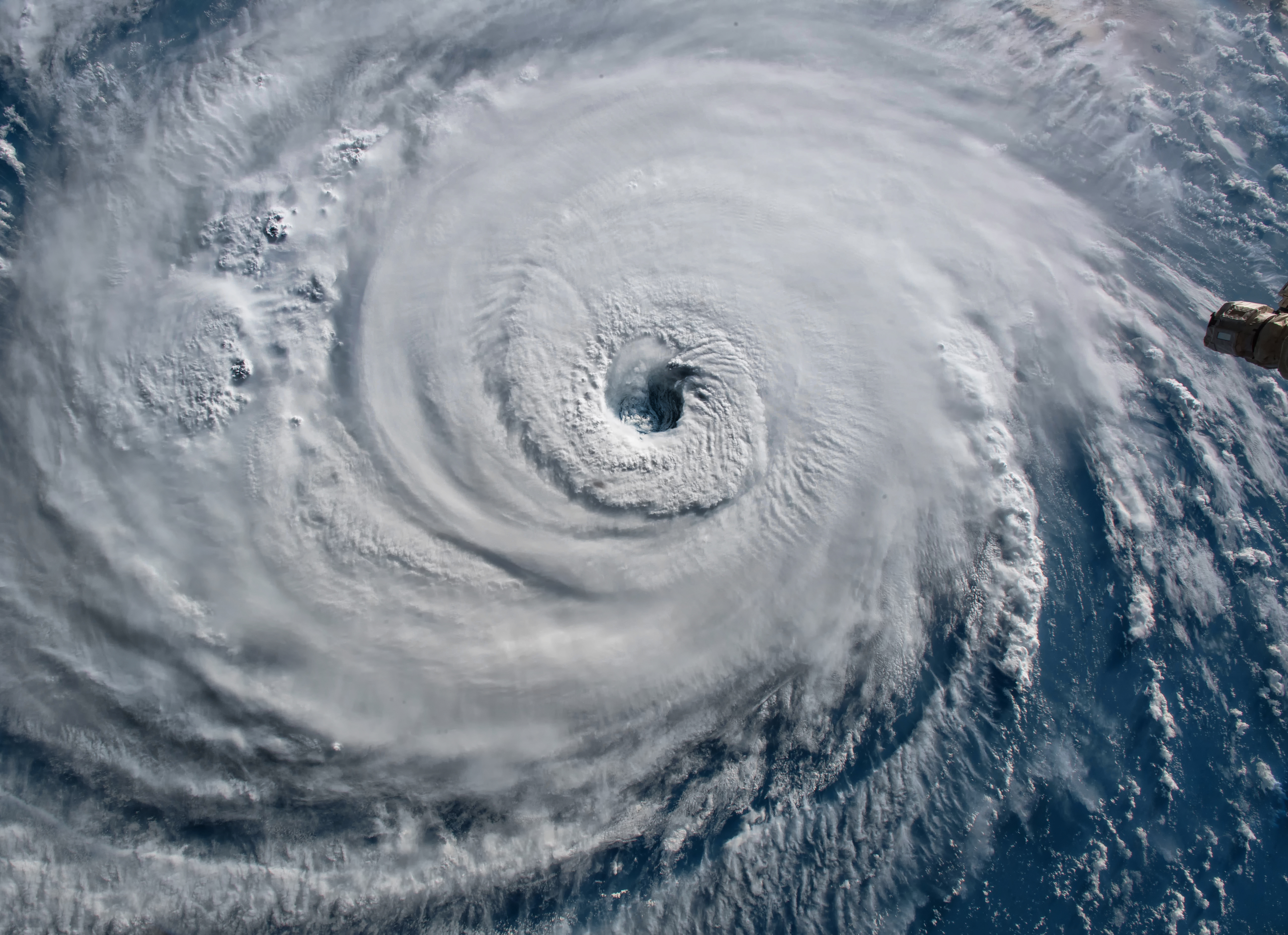
You've checked the storm shutters, stocked the pantry, and gassed up the car. The hurricane warning is on every screen in the house. But as you run through the mental checklist of everything that needs securing, your floors probably aren't on it — and for coastal homeowners, that oversight can be expensive. A single inch of storm-driven water can destroy thousands of dollars in flooring before the rain even stops.
Before the Storm — Preparation That Truly Saves Your Floors
Preparation starts well before the first named storm appears on the radar. If you're planning a flooring project during hurricane season — or even just living with existing floors through it — the single best defense is a properly sealed and installed floor. Gaps, uneven subfloors, and poorly locked planks become entry points for moisture the moment water pools anywhere in the room.
That's where installation quality stops being a nice-to-have and becomes the thing that determines whether you're replacing floors or mopping up. Our licensed installation team works with a lifetime warranty because attention to subfloor details — leveling, moisture barriers, perimeter sealing — directly affects how any floor survives coastal weather.
Beyond installation, there are practical steps you can take in the 48 hours before landfall. Move furniture away from windows and sliding glass doors where wind-driven rain enters first. Roll up area rugs and store them in an interior closet. If you have a multi-story home, remember that flooding starts on the ground floor — anything valuable resting directly on that slab deserves a temporary lift.
The Materials That Handle Coastal Storms Best
Not all flooring is created equal when a hurricane pushes saltwater and sand across the barrier islands. Solid hardwood, for all its beauty, absorbs humidity and swells — a poor match for a region where summer storms can drive indoor relative humidity past 80% in hours. Even engineered hardwood, while more dimensionally stable, won't survive prolonged direct water contact.
Two materials genuinely hold up. Porcelain and ceramic tile are impervious to water — they won't warp, swell, or host mold even after sitting under standing water. Our tile flooring catalog includes porcelain and ceramic options from Happy Floors and Mohawk, all resistant to the mold and mildew that thrive in subtropical humidity long after a storm passes.
Luxury vinyl plank and tile offer a different kind of resilience. The best LVP is completely waterproof — not just water-resistant on the surface but impermeable through its entire core. That matters when water seeps underneath cabinets and wicks across the subfloor. Our luxury vinyl collection features waterproof LVP and LVT options designed for exactly this reality: homes where kids, pets, and coastal weather all leave their mark.
After the Storm — Acting Fast When Water Gets In
The first 24 to 48 hours after water enters your home are critical. Pull up any wet area rugs or loose mats immediately. If you have luxury vinyl or tile, get standing water off the surface and run dehumidifiers at full capacity — the goal is to dry the space before moisture reaches the subfloor or wall cavities.
With carpet or hardwood that has been soaked, the outlook is tougher. Carpet padding acts like a sponge, and hardwood that has cupped or buckled will almost certainly need professional attention. In either case, don't wait — mold begins colonizing wet organic materials within two days in this climate.
What gives us confidence during storm season is seeing how well properly installed floors recover. Take a look at real kitchens, living rooms, and whole-home renovations in our project gallery to see what durable flooring looks like in homes across Nassau County and beyond. These are floors that have been through humidity, foot traffic, and more than a few tropical storm warnings.
Hurricane season runs from June through November, and every year coastal families from Fernandina Beach to St. Marys learn the same lesson: the time to think about your floors isn't when the water is rising. Whether you're building new or replacing what a storm took, choosing the right material and the right installation makes all the difference. Schedule your free flooring consultation and let us help you get floors that are ready for whatever the Atlantic sends our way.


