

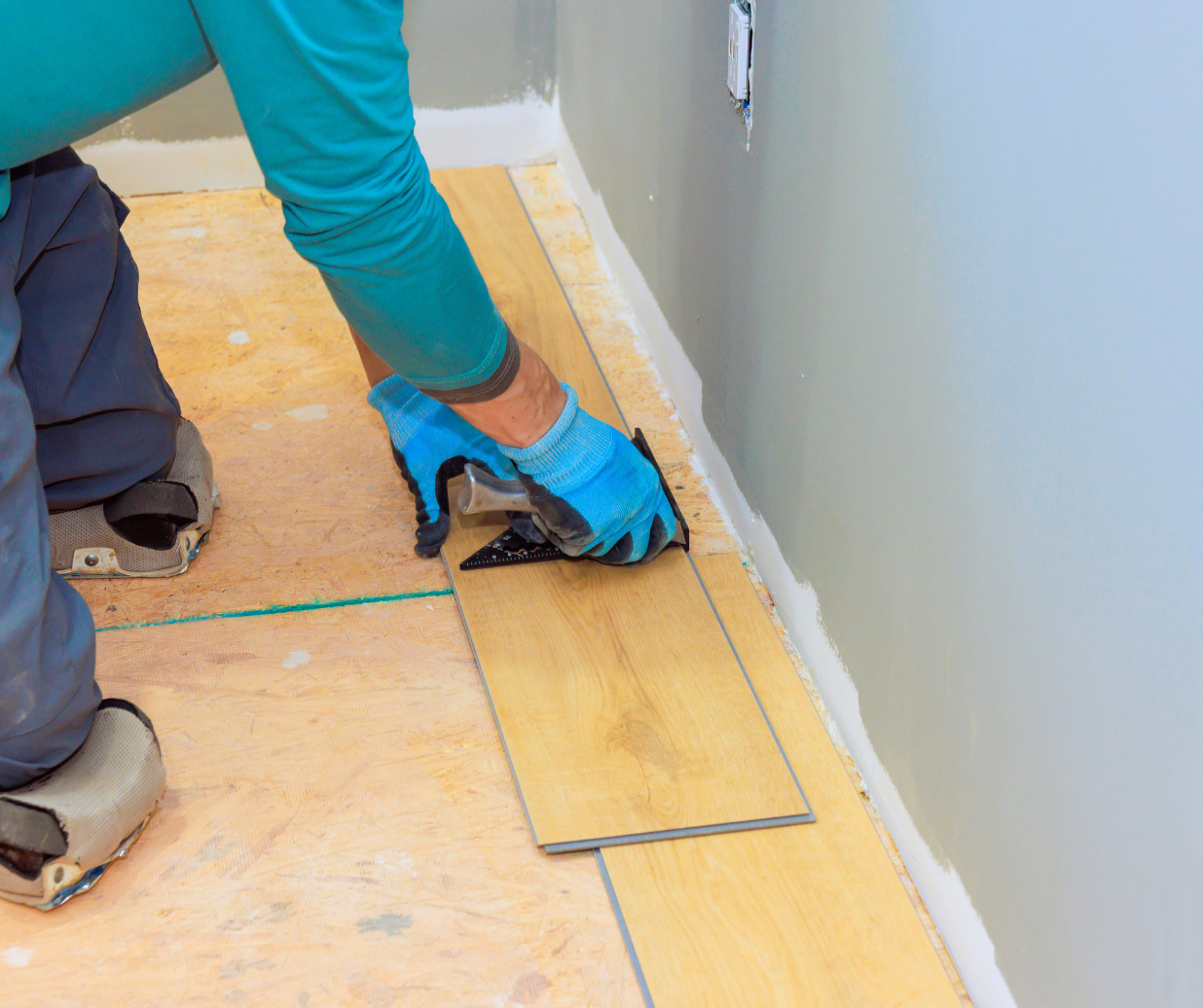
You can pick the perfect color, texture, and pattern for your new floors, but if the surface underneath isn’t right, problems will show up fast. In our hot, humid coastal climate, moisture and subfloor issues are the silent troublemakers that cause buckling, gaps, and mystery odors months after installation. A little patience before your floors go in can add years to their life.
Why Moisture Matters So Much Here
Concrete and wood subfloors look dry long before they actually are. In a subtropical area with heavy rain and long summers, they often keep releasing moisture for months. If new flooring traps that vapor, it can:
- Break down adhesives, leading to loose planks or tiles
- Feed mold and mildew under the surface
- Cause cupping, curling, or warping
Our professional installation team starts every project by checking that subfloors are dry enough for the specific material you’ve chosen. The acceptable moisture range for a floating luxury vinyl plank is very different from what’s safe for solid hardwood, so we match the testing method to the product and manufacturer guidelines.
How Pros Test for Moisture in Subfloors
You can’t judge moisture by sight or touch. Reliable testing uses tools and, sometimes, time.
For concrete, installers often use in-slab probes or surface meters to measure how much vapor is moving through the slab. For wood, pin meters read the actual moisture content inside the board. We look for stable, safe readings over time, not just a single quick check.
This step is especially important if:
- A slab was recently poured as part of a room addition
- There was a past leak, flood, or plumbing repair
- The space sits over a crawlspace or on grade
If you’re leaning toward a waterproof material, browsing our luxury vinyl collection can be a smart move. These products are more forgiving in humid conditions, but they still need a sound, properly tested base underneath.
Subfloor Prep: Getting the Surface Truly “Floor-Ready”
Once moisture levels are in range, the next step is making sure the surface is clean, flat, and structurally solid. Each flooring type has its own requirements, but the goals are similar:
- Clean: Old adhesive, paint overspray, construction dust, and debris all interfere with bonding and cause uneven spots. Installers scrape, vacuum, and sometimes mechanically grind high areas.
- Flat: Most manufacturers specify a maximum variation (often 3/16" over 10 feet). That may not sound like much, but even small dips can make planks flex and click joints separate. Leveling compounds are used to fill low areas and feather out transitions.
- Sound: Loose particleboard, soft spots in plywood, or cracked concrete sections are repaired or replaced before anything goes down.
If you’re also eyeing other hard surfaces, it helps to know that the same careful prep supports tile and laminate too. You can compare looks and formats in the tile flooring catalog or explore laminate options that offer durable wood visuals with strong core support.
Special Considerations for Luxury Vinyl Installations
Luxury vinyl is a favorite for busy households, vacation rentals, and homes near the water because it’s waterproof from the top down and easy to maintain. Still, it performs best on a well-prepared base.
For floating LVP/LVT, we pay close attention to subfloor flatness, expansion gaps at walls, and the right underlayment, especially in multi-story situations. For glue-down vinyl, slab moisture and surface cleanliness are critical so adhesives can cure properly. In both cases, a smooth, stable subfloor is what keeps joints tight and floors quiet underfoot.
If you’d like to see how different materials look once installed, our project gallery shows real homes in the area with vinyl, tile, hardwood, and more, all installed over properly prepared subfloors.
Bringing It All Together for Your Home
Moisture testing and subfloor prep aren’t the flashy part of a remodel, but they’re what protect your investment long after the installers leave. When you work with our licensed flooring installers, you get careful evaluation, proper prep, and a lifetime installation warranty backing the work.
If you’re planning new floors in a home or condo anywhere from the beaches to the inland communities, we’re happy to walk you through what your subfloor needs before you choose a material. When you’re ready to take the next step, you can request a free estimate and we’ll help you plan a floor that looks great and stands up to our climate.


