

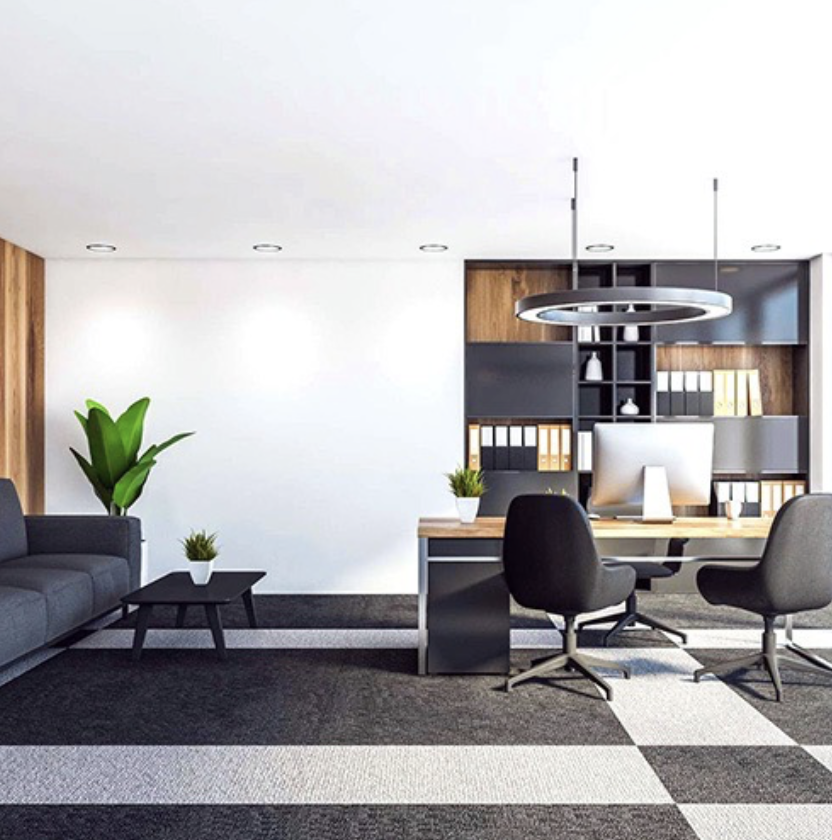
Living in a two-story home or townhome has its perks, but it can also come with a common frustration: noise traveling from upstairs to down. If you’ve ever heard every footstep thumping above you, you know the struggle. So how do you reduce floor noise upstairs and create a more peaceful, quiet home? The solution lies in smart use of carpet tiles, quality padding, and well-placed area rugs. By adding softness and insulation underfoot, you can significantly muffle the sounds of daily life – from kids running in an upstairs hallway to the TV in that bonus room over the garage. Let’s explore some effective strategies for soundproofing with carpet tiles and rugs in your home.
The Problem: Why Upstairs Noise Carries
In many homes (and especially townhomes with shared walls or older houses in the Jacksonville area), floors are made of wood subflooring or joists that can amplify sound. Hard surfaces like hardwood, tile, or even bare laminate upstairs don’t absorb impact noise – the sound of footsteps, dragged furniture, or jumping kids – which then travels through the floor/ceiling to the rooms below. Even newer construction can have this issue if the flooring choice upstairs is hard. It’s not just footsteps either; moving dining chairs, dropping objects, or running appliances like a treadmill can create a racket. For homeowners in North Florida, an additional factor can be that many houses are built on wood frames (since basements are rare due to the water table), and wood framing tends to creak and transmit sound more than concrete.
The good news is you don’t necessarily need to embark on a major construction project to soundproof your upstairs. You can address a lot of the noise simply by what you put on the floor.
Carpet Tiles and Carpeting: Softening Footfalls
When it comes to quieting a room, wall-to-wall carpeting has long been a go-to solution. Carpet absorbs impact and ambient noise, making a room significantly quieter. If you prefer not to install traditional broadloom carpet upstairs, consider carpet tiles as a modern, versatile alternative. Carpet tiles are squares of carpet that can be laid down to cover an entire floor (with or without adhesive).
They offer the same noise-dampening benefits as broadloom carpet, but with the bonus of easy replacement if a section gets stained or worn. By installing carpet tile in an upstairs playroom or home office, you’ll muffle the sound of footsteps and rolling chairs, and also reduce echo within the room.
For a more partial approach, you might use carpet tiles to create a custom area rug or runner in key spots. For example, in a long upstairs hallway that’s currently hardwood or LVP, a runner made of carpet tiles (or a standard hallway runner rug) will do wonders to hush the sound of people walking. On stairs themselves, as we discussed in a previous blog about high-traffic areas, adding a carpet runner or carpet tiles on the treads will cut down the clack of feet on wood and also prevent noise from echoing down the stairwell.
If wall-to-wall carpet or carpet tiles aren’t your style for every room, at least consider carpeting the rooms where noise is a big concern – perhaps the kids’ bedrooms or that bonus room gaming area. Even a medium-pile carpet with a good pad can drastically reduce sound compared to hard flooring.
The Power of Padding
Don’t underestimate the role of a quality carpet pad or rug pad in noise reduction. Padding is the layer of cushioning that goes under a carpet or rug, and it’s a real MVP for soundproofing. A dense, thick carpet pad under your carpet tiles or broadloom will absorb shock and sound, preventing it from traveling through the subfloor. Think of it like the underpadding at a music studio – you want that buffer to soak up vibration.
There are specialty acoustic underlayments available if noise is a major issue (for instance, rubber or felt pads designed to dampen sound). However, even a standard premium carpet pad – the type our installers use routinely for upstairs carpet installations – will make a noticeable difference. If you’re laying down an area rug instead of wall-to-wall carpet, invest in a thick felt rug pad beneath it (you can even layer a thinner non-slip pad under that for grip, and a felt pad on top for cushion). The combination will keep the rug in place and block sound.
For those with existing hard floors upstairs who don’t want to add wall-to-wall carpet, using area rugs with pads in strategic locations is the next best thing. Place a large rug (say, 8x10 or covering most of the room) in upstairs living areas, and use a quality pad underneath. This setup can simulate much of the effect of carpeting without fully hiding your hardwood or laminate.
Layering Rugs for Extra Noise Control
Layering isn’t just a design statement – it can serve a practical purpose for noise control too. If one rug helps, two can be even better. For instance, you might lay down a thin mat or carpet tile area first, then put a thicker shag or plush rug on top in the center of the room. This double layer trick adds more material for sound to travel through (and get absorbed by) before it reaches the floor. In upstairs bedrooms, some people even layer a runner on top of carpet in high-traffic paths (like from the bed to the door) to double up the softness where most footsteps fall.
Our existing blog on soundproofing goes into more depth on how carpet and installation techniques can improve home acoustics. But the core idea is simple: softer = quieter. Every textile and cushion you add upstairs – be it carpet, rugs, or even heavy curtains on windows – will help soak up sound and make your whole home calmer.
Enjoy Peace and Quiet: Additional Tips
Besides flooring solutions, there are a couple more things to consider for a quieter upstairs:
Furniture Placement: Adding bookshelves or wardrobes against shared walls can help block noise flanking through walls. Upholstered furniture (like a big couch or bed) in an upstairs room can also absorb sounds.
Door Seals: If sound from an upstairs room (like a media room) is leaking out the door, consider weather-stripping or a door sweep to muffle airborne noise.
Ceiling Insulation: If you’re doing a renovation, insulating between floors can greatly reduce noise transfer. This is more involved, but worth mentioning for completeness.
However, most homeowners find that once they install carpeting or large rugs with good padding upstairs, the improvement is dramatic without needing these extra measures.
Living with an active family or in a multi-level home doesn’t have to mean living with constant noise. By using carpet tiles, plush rugs, and quality padding upstairs, you can create a haven of quiet even when life is busy overhead.
Ready to reclaim some peace in your home? Visit American Flooring in Yulee to explore sound-softening carpet and rug options that fit your style. Our experts can recommend the ideal materials to hush your specific noise issues, and our professional installers will make sure it’s done right. From product selection to installation, we’re here to help you enjoy a quieter, more comfortable home. Contact us for a free estimate and take the first step toward quiet upstairs living!


